The Holidays Are Here

The 2022 holiday season has arrived! At first, it seemed to come “on little cat feet” like in Carl Sandburg’s poem “Fog.” Now it’s in full swing: carols playing in every shop and winter-themed coffees, sweet treats, and cocktails. Here’s a cheery scene from the café table I’m writing at this morning:

Client projects are especially inspiring to me at this time of year, and 2022 seems even more robust because events and offerings are in person again. Some of my translation and editing projects this season range from descriptions of health and wellness fairs and services here in California to annual reports that describe leaps and bounds made over the year; holiday recipes from Mexico to a collection of essays from writers and artists living in Alaska.

I wish you a happy and healthy holiday season and look forward to connecting in 2023!

International Translation Day

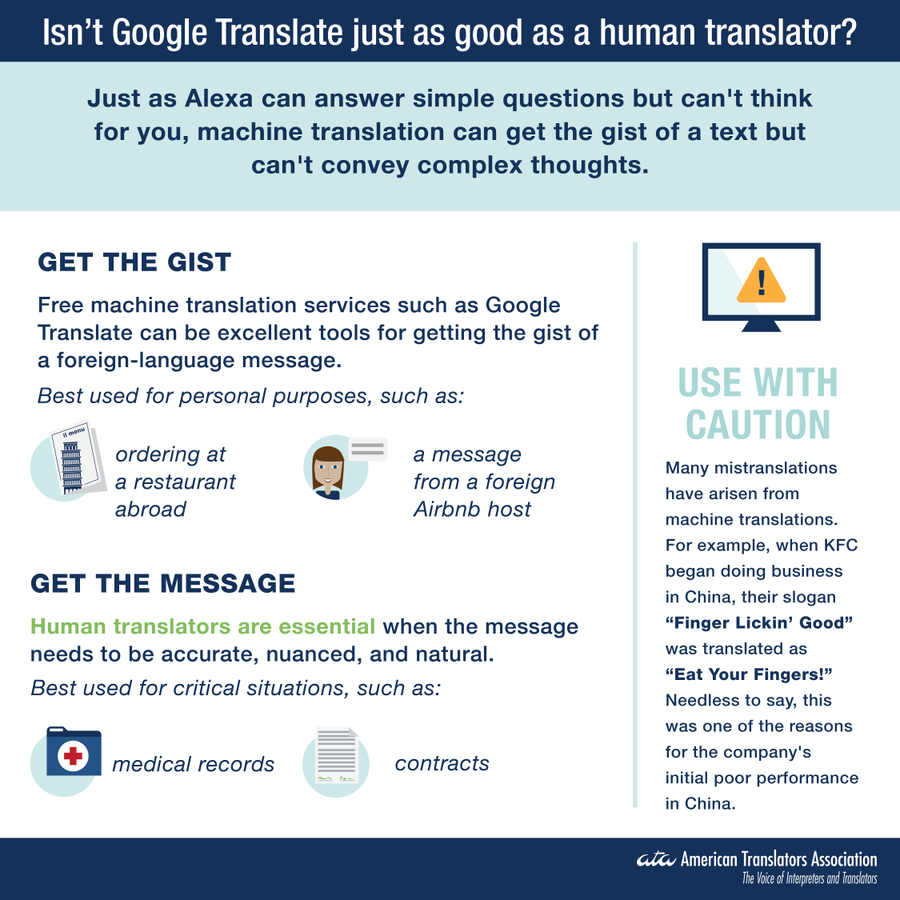
A question: “Finger Lickin’ Good” or “Eat Your Fingers?” Read on…

September 30th was International Translation Day. It’s an opportunity for us linguists to celebrate our work and to spread awareness about the importance of language access and the translation and interpretation professions. 

If you receive my newsletters or read this blog, chances are you know how important human translators are. But what about AI and machine translation, like Google Translate? Well, machine translation is quite helpful at times! There are other times when a human translator is necessary. 

Here is a simple way to tell if machine translation or human translation is best for the task at hand:

So, there you have it. Don’t be like KFC. Make sure to use the right tool for the task!

Spanish/English Fire Safety Vocabulary

Here in the Western United States, this time of year brings a flurry of communications about wildfire prevention and safety. Organizations are preparing resource lists and social media posts in advance of any wildfire event, and of course it’s important to get these written communications out in different languages.

In case you or your organization needs a jump start on some frequently-used terms in English and Spanish, here is a list of Spanish/English Fire Safety Vocabulary that may prove useful. These are some of the most frequently-used terms I translate when it comes to wildfire safety and preparedness.

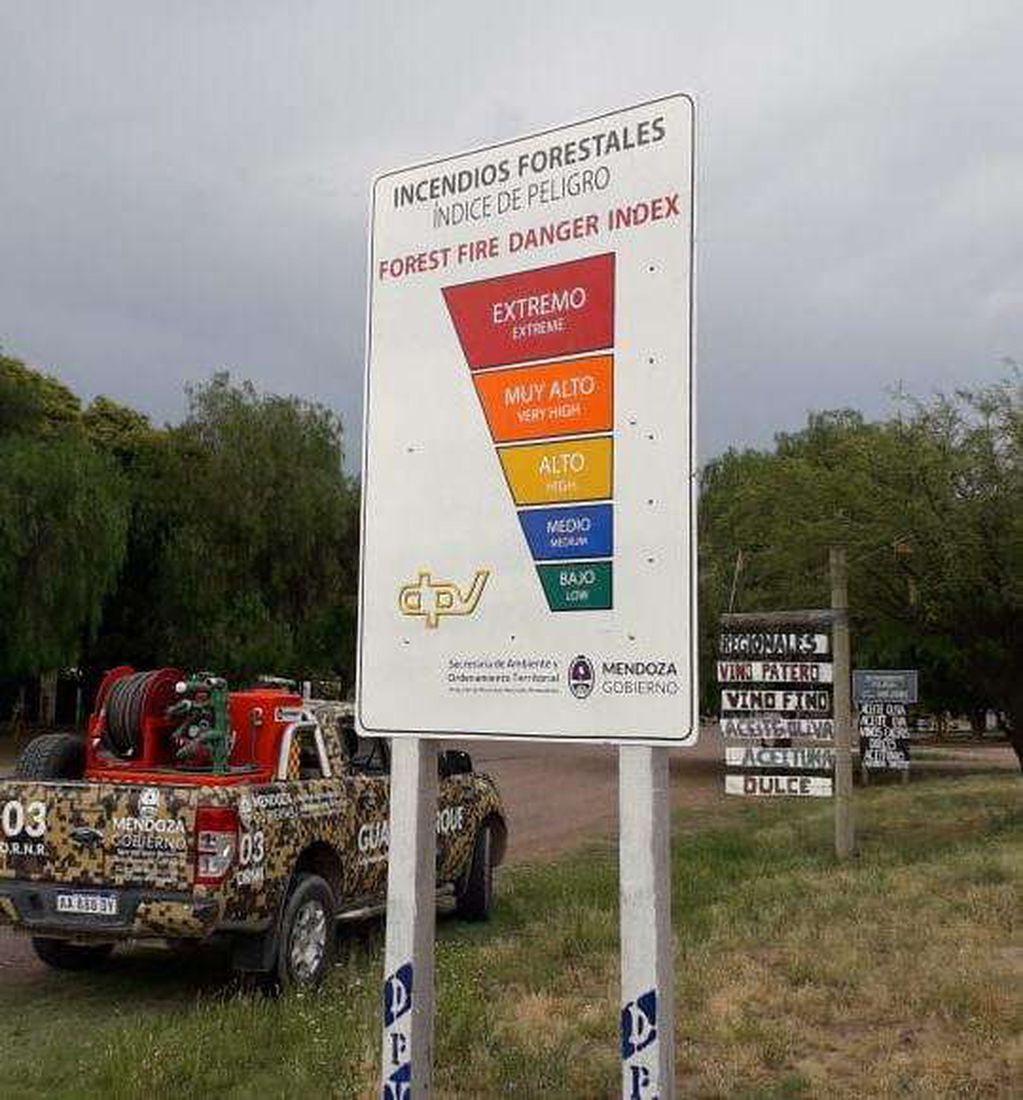
Bilingual communications are found everywhere! Here is a Spanish/English forest fire danger index sign in Mendoza, Argentina, courtesy of Los Andes.

Women in Translation

August is Women in Translation Month. Started by Meytal Radzinski in 2014, it honors women writers and translators from around the world. To celebrate, I’m highlighting 2 women who have significantly contributed to Spanish/English literary translation.

I was about 13 when I first began reading books by Latin American and Spanish authors. The English versions of these novels were frequently the work of esteemed translator Edith Grossman. Not only did her translations feed my hunger for language learning and traveling to faraway lands, she showed me that one can build a successful career by using language skills. You can read more about Edith Grossman here: “A Tribute to Edith Grossman” by The Center for Fiction

Another contemporary Spanish-to-English translator is Christina MacSweeney, who specializes in Latin American literature. I enjoyed her translation of On Lighthouses by Mexican author Jazmina Barrera. You can read an interview with Christina MacSweeney here: “Cover Versions: Talking Translation with Christina MacSweeney”

If you’re looking for your next good read, check out the books in translation from Two Lines Press and Transit Books. You won’t be disappointed!

Difficult Things

In your own work life, do you sometimes encounter difficult things? Surely you do. Perhaps there’s a tough conversation you need to have with a co-worker. Maybe you’re trying to help someone facing serious health challenges. You could be helping someone with legal issues. At some point, most of us work with challenging situations.

It might sound strange when I say that I like translating “the difficult things”. Here’s an example:

Someone, to me: “So, what types of projects are you working on right now?”

Me: “Well, I just finished a newsletter for a community organization.”

Someone: “Oh, cool, what type of organization?”

Me: “They work to prevent substance abuse and domestic violence. There was a lot of good information in the newsletter, and I enjoyed working on it.”

Someone: “Oh boy, how difficult! That doesn’t sounds like fun at all.”

Me: “Ummm…”

The truth is, the “difficult things” are often the projects I enjoy most. Why? Because I’m helping people. By ensuring that something like a newsletter, client intake form, or information pamphlet is in another language, I’m helping someone to gain access to support and services they may not otherwise know about. This is a huge reason why we translators and interpreters do what we do!

So the next time you’re faced with that hard project yourself, just know I’m right there with you, sending waves of support your way. These are the projects that truly matter.

What I’m Working On, Part 2

Most translators specialize in certain fields: finance, legal, education, etc. As a former classroom teacher, I’ve specialized in education from the start of my translation business. I also work a lot with legal documents and art world publications. The past couple of years gave me the opportunity to work in new fields:

-Community health and wellness

-Agriculture and land use/land conservation

I shared a pie chart last year called “What I’m Working On”. Here’s an updated chart for 2022. This shows areas I’ve been working in:

I’m happy with how it’s all shaking out and look forward to continued work in these areas. I hope 2022 is treating you kindly!