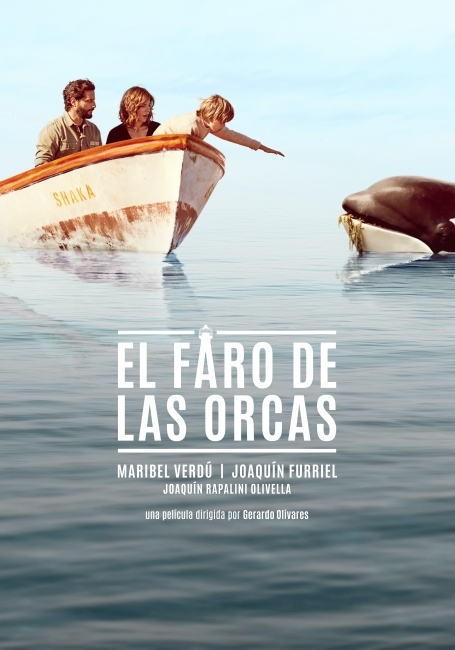
It seems I’ve been on a bit of a Patagonia tangent lately, if this post and my last post are any indication! I saw a great movie this month called “El faro de las orcas,” or “The Lighthouse of the Orcas.”
This is a beautiful film that captures life at the edge of the world along the coast in Patagonia. It tells the based-on-true-life story of a man who lives and works at the lighthouse studying orca whales. A woman and her autistic son come to visit him from Spain after hearing of his work in the hopes that the son’s emotions can be calmed by spending time with the whales.
You can read a longer review of the movie here, watch a trailer here, and learn about the real-life protagonist of the story here.
Feliz Año Nuevo. How did you celebrate the new year? Did you eat 12 grapes or pop a bottle of champagne? We enjoyed a seafood dinner at home and wine from Fort Ross Winery, our neighbor up the road.
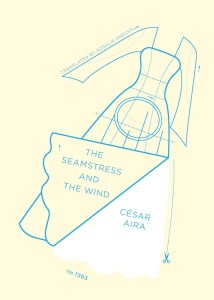
This week I started reading The Seamstress and the Wind by Argentinean author César Aira. The translation is by Rosalie Knecht. I’m new to Aira’s work and this short novella had me tucked neatly into it’s story from the start.
César Aira. “She told me she worked in the morning and started to laugh, I told her I didn’t and crawled off to sleep in the bath.”
The characters in this novel live in a small, dusty town where folks keep tabs on each other and much speculation is made as to the comings and goings of fellow inhabitants. The protagonist, a man recalling his years as a young boy living in the town, describes country life in detail, from the specific bird calls heard at four in the morning to the obsessive cleanliness of a neighbor as she sweeps her front and back porches multiple times each day.
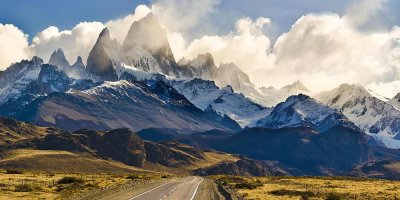
After her son disappears, the local seamstress is caught up in a voyage across the windy, vast spaces of Patagonia. Aira’s first description of this land is beautiful:
“The abyss that opened before Delia Siffoni had (and still has) a name: Patagonia. When I tell the French I come from there (barely lying) they open their mouths with admiration, almost with incredulity. There are a lot of people all over the world who dream of some day travelling to Patagonia, that extreme end of the planet, a beautiful and inexpressible desert, where any adventure might happen.”
Patagonia
I won’t spoil the plot so I’ll leave it at that. I look forward to reading more by César Aira. He’s a prolific author so we have no shortage of titles to choose from. There’s a nice list of his works here on IndieBound.
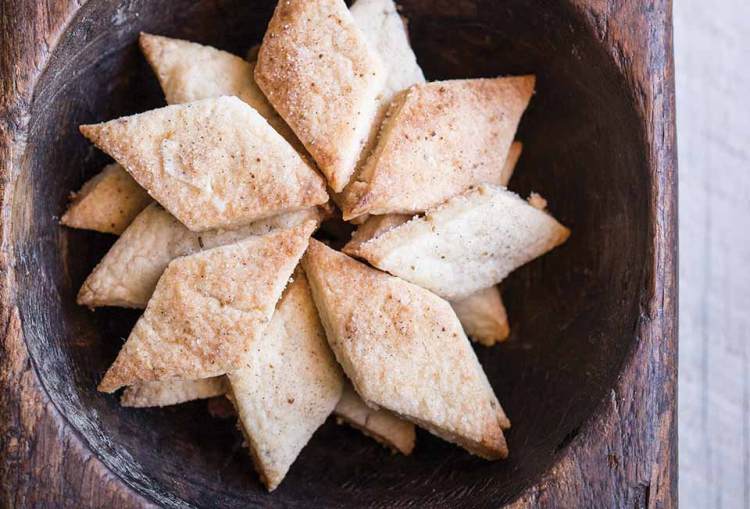
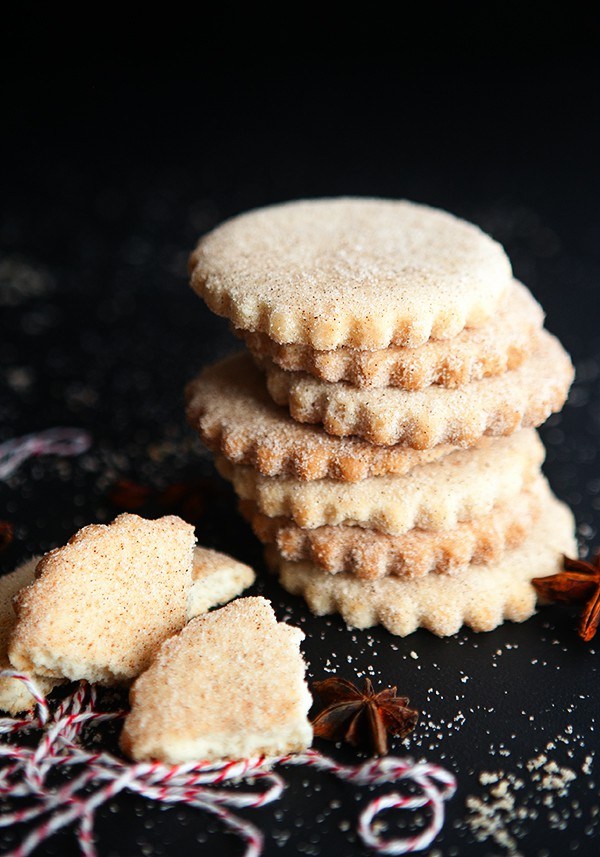
It’s cookie time! Biscochitos are traditional anise-flavored cookies from New Mexico. You can find them around the state and they are a special holiday staple. Biscochito is the diminutive form of bizcocho in Spanish, which basically means “biscuit”.
The biscochito is New Mexico’s Official State Cookie! They were first introduced to New Mexico by Spanish colonists who settled in present-day Santa Fe and moved throughout the state.
My in-laws brought some over last week and they are so delicious. I haven’t really seen anything quite like them sold in California…guess I’ll have to make my own. 😉 Here are a couple of recipes to try:
From “New Mexico” Magazine: Bizcochito Recipe (note the different spelling…it’s a thing)
I’ve had folks tell me they liked my first Spanish podcast recommendations from last year. So, here is “Part Two” with my new discovery of Las Raras Podcast. This show shares diverse stories of folks from around the world. A couple of recent episodes are “No se vende” (Not for sale), which tells of a man who is standing up to gentrification and big business in his neighborhood, and “Profe poeta” (Mr. Poet), about a poet-turned-teacher who strives to inspire students. Most of the stories are from Spanish-speaking countries.
Let me know what you think. Similarly, if you know of a podcast in Spanish that you think I should share here, let me know!
David lived in Spain and studied flamenco guitar for many years while living in Sevilla’s popular Triana neighborhood. Now he travels around California and also abroad to perform his music. His skill is obvious and he makes this challenging art form seem like second nature.
“Translators are the shadow heroes of literature, the often forgotten instruments that make it possible for different cultures to talk to one another, who have enabled us to understand that we all, from every part of the world, live in one world.” —Paul Auster, American writer
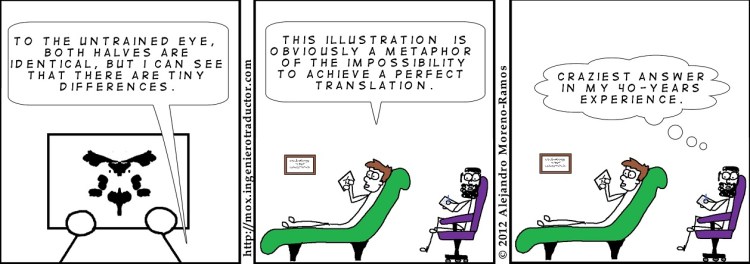
Ha, ha! Finding the perfect word can seriously be a lifetime search. I’ve always enjoyed translation and interpretation and I’m doing more Spanish-to-English translation work now. I also love being a volunteer translator with Kiva, an international organization that connects people through lending to alleviate poverty. I translate the Spanish loan profiles into English (here is a recent one), which is a lot of fun because I get to read about different people’s dreams and goals, as well as learn new vocabulary related to micro-finance, small business, and international development.
Many of the small-business loan requests come from Mexico, Central and South America so we translate loan profiles from Spanish into English to make it easier for an international audience to find out about each borrower. There is a really wide variety of needs: loans for everything from dressmaking shops to fruit stands to dairy production to solar kits and more. You can check out Kiva’s work and get involved (for only $25!) here! – kiva.org
If you yourself need a document translated from Spanish to English, connect with me!




 Alison Trujillo Translations