This past weekend, I attended the Santa Fe International Literary Festival. Perfect spring weather inspired my husband and I to ride our bikes over; held in downtown Santa Fe near the plaza, this event was packed with author speakers, book signings and booksellers from all over. The festival felt like a good intro to summer reading.
We heard one author speak: David Treuer, whose recent book “The Heartbeat of Wounded Knee” aims to shatter myths about Native American life, serving as a kind of response to the often-read “Bury My Heart at Wounded Knee” by Dee Brown.
Another highlight was stumbling upon the open-mic reading during the lunch hour right when we arrived!
Earth Day is around the corner. I’m grateful in these moments for the work of all who are doing their part and who encourage us to do the same: Schools with gardening programs. Land trusts. Farmers and ranchers trying new sustainability practices. Advocates for responsible recreation. Companies inventing nature-friendly products and services.
Here are a few stories that caught my eye over the past few months.
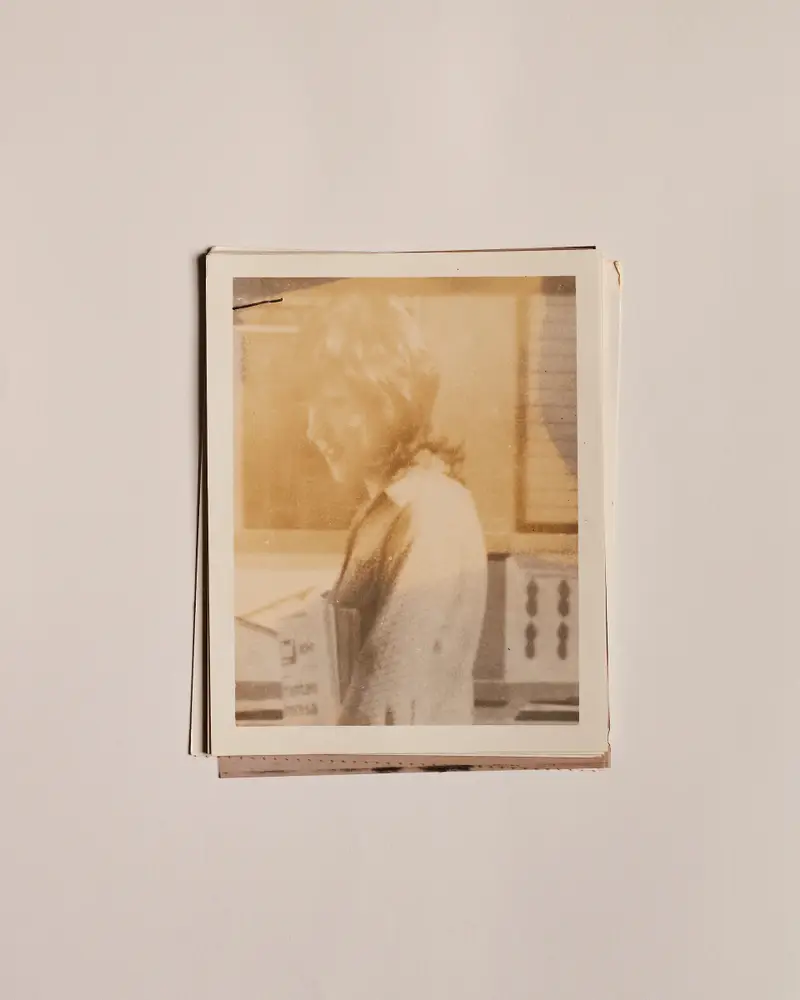
I recently heard about the artwork of Christopher Gregory-Rivera on an episode of the Las Raras podcast. Christopher Gregory-Rivera’s recent work, called “Las Carpetas” (“The Files”), examines the history of government surveillance on the island of Puerto Rico. The “carpetas” he refers to are files with information about Puerto Rican citizens — targets of FBI and Puerto Rican Police Department surveillance over the course of 40 years. These individuals were deemed “politically subversive” or somehow connected to the Puerto Rican Independence Movement.
A Puerto Rican artist based in New York City, Christopher Gregory-Rivera compiled and photographed an impressive number of original documents to create this series, which documents files, photographs, videos and handwritten notes. The result is both aesthetically beautiful and emotionally sobering.
One of the most interesting facts I learned when hearing about “Las Carpetas” is that there is a Spanish verb used in Puerto Rico that came from this time: “carpetear.” This verb is now commonplace and means to gather information on someone, especially for political reasons.
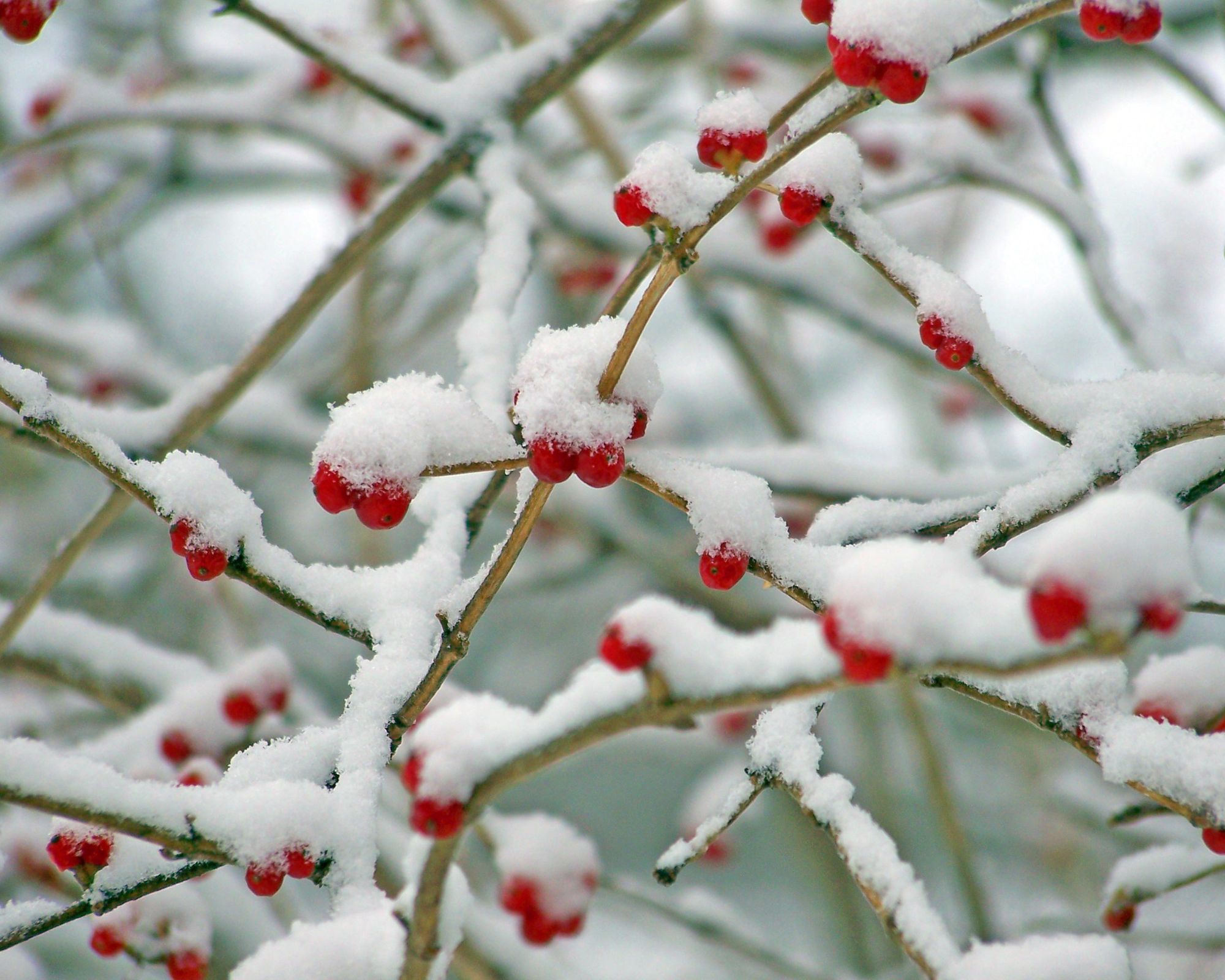
Both Spanish and English have beautiful words to describe winter! These unique words go beyond some of the more commonly known terms to conjure up the feeling of the season.
Spanish winter words:
carámbano – icicle
rompope – eggnog
duende – elf, fairy, goblin
copo de nieve – snowflake
hoguera – bonfire
granizo – hail
muñeco/a de nieve – snowman/woman
cascabeles – bells
English winter words:
névé – nevero
blizzard – ventisca
slush – aguanieve
whiteout – tormenta de nieve, condición de visibilidad limitada por nieve
When Arabic-speaking Muslims from North Africa invaded the Iberian Peninsula in 711, they introduced unique architecture, philosophy, and social norms to the territory. The Arabic language deeply influenced the local vernacular Latin dialect, which eventually became Spanish.
In the 15th century, this territory was now the Spanish kingdom and was presided over by King Ferdinand and Queen Isabella. Despite the Inquisition, the Spanish language already deeply reflected Arabic influences. Some Arabic words also shaped the English language, as you can see by a few nouns in this list.
Arabic (spoken)
Spanish
English
zaytun
aceituna
olive
shatranj
ajedrez
chess
habaqah
albahaca
basil
alhafa
alféizar
windowsill
aljabr
álgebra
algebra
ghitar
guitarra
guitar
zurafah
jirafa
giraffe
laymun
limón
lemon
sindiyyah
sandía
watermelon
Historians traditionally viewed this period of Islamic rule as a time of “convivencia,” or living together, because it’s been widely accepted that Muslims, Christians and Jews co-existed in relative harmony and abundance. In modern times, however, historians question this seemingly idyllic picture. You can read more about the Muslim and Arabic influences in Southern Spain and the diverse views of life during this period in this “Beardy History” article.
Finally, with all the sweet holiday treats not so far behind us, I leave you with one more Arabic word: “as-sukkar,” meaning “azúcar,” or sugar!




 Alison Trujillo Translations