I just got back from a camping trip through Oregon. Despite a bit of rain in Eugene, we had beautiful hikes and hot springs adventures in Umpqua National Forest and in Ashland.
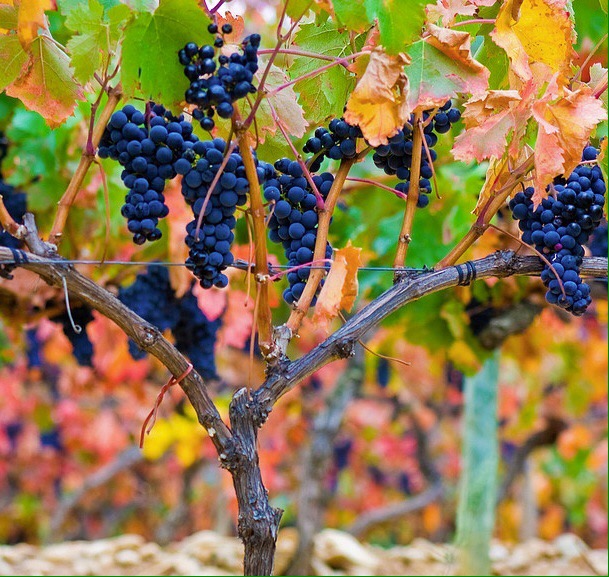
For my fellow wine lovers out there, you probably know about the many good things coming out of the Oregon wine industry. However, I’d forgotten about all the wineries in Oregon that are growing Spanish varietals. If you live in California, I highly recommend attending the annual TAPAS Society event in San Francisco to discover wines made here in the U.S. using Spanish grape varietals. If you find yourself in Oregon, go have a tasting at one of the wineries listed below. It’s a great opportunity to branch out from the ever-popular Pinots, Cabs, and Zins.
Summer’s here and right now that means movie catch-up. I have a long list of films to see, especially since I can’t remember the last time I went to the movie theater!
Before my three movie recommendations, a question: Do you know a student who is studying Spanish? If so, tell them about SpanishDict’s “Beca Traductor”. This is a chance to win $1,000 by describing an experience in which you had to translate from Spanish to English, or vice-versa. Good luck to all the students who enter!
Now, on to the movies…
De jueves a domingo follows two kids and their parents on a road trip in the north of Chile. The long drive and time in the car brings difficult family dynamics to light.
Lake Tahoe will pull at your heartstrings. The film tells the story of a boy living in a small Mexican town who is coming to terms with death and loss.
Volver is one of my favorite Pedro Almodóvar movies. It stars Penelope Cruz as a woman who returns with her sister and daughter to her hometown, revisiting the past and also being visited by ghosts. There’s also a dead guy in a restaurant fridge…totally Almodóvar. 🙂
Finally, it’s not a movie but I highly recommend watching Chef’s Table – Enrique Olvera of Pujol. You’ll want to hop on a plane to Mexico City right after seeing it!
I can’t wait to get back into Italian lessons. I love my Italian school here in San Francisco and give them molto credit for all the conversations I was able to have while in Rome and the Amalfi Coast. One day soon I’ll be back in class. As a language teacher I see specific qualities that help to make a class successful. If you are joining a language class, here are 5 questions to ask before signing up:
How much of class will be conducted in the target language? Some grammar concepts will need to be explained in English, but a strong teacher knows how to get creative and keep the class going in what we call the “target language.”
What text do the instructors use for the course? Are there good pictures and other visuals? Are there listening components? Does owning the textbook mean that you also have access to online resources for individual practice at home?
Are the classes activity-based or lecture-based? Will you be sitting and taking notes for 2 hours, or will you have the opportunity to move around? (Especially important for evening classes when you might get sleepy.)
Are there opportunities to have real conversations during class time? How do the instructors encourage spoken language in their classes?
Does the teacher or school offer cultural activities? For example, my Italian school offers film events, book talks, and lots of other fun get-togethers.
I am a huge fan of podcasts. I have a few favorites these days and tune in while driving, riding the bus, or taking the dog out around the neighborhood. They can be so affirming and inspirational, and for that I’m grateful. Here are three Spanish-language podcasts I recommend…
Coffee Break Spanish is ideal for beginning Spanish speakers. It’s part of Radio Lingua and you can listen to the podcast previews or pay for longer episodes. Each episode focuses on a different theme or topic.
News in Slow Spanish is for intermediate speakers. The hosts discuss current events in slow, very comprehensible Spanish. They also highlight a grammar concept in each episode. You can choose between Castilian Spanish or Latin American Spanish.
SBS Spanish is based in Australia. This is for advanced speakers and covers current events. Recent discussions include the spread of Uber and all the issues that are coming with it, as well as the newly popular bachata singer Karlos Rosé.
Look these podcasts up and let me know what you think.
After some much-needed rain here in Northern California, spring has sprung. This has been a challenging month for me so the springtime blooms and sunnier days are especially welcome. As for celebrating, I would love to take part in one of these springtime festivals one day…
When I tell people that my husband grew up in New Mexico, I am routinely asked this question: “Oh, how nice, so where in Mexico is that?” Um….to which I reply with a very brief geography lesson about the United States!
Many Americans don’t know about New Mexico’s rich history, and I’ve been lucky to learn a lot from my husband and his family. Here are some links with info about this beautiful state, including the rich histories of Native peoples, Spanish colonizers, and Jewish families escaping the Inquisition.
–Indianpueblo.org has great information about the Native American tribes of New Mexico. It should also be noted that, unlike in other areas of the U.S., residents of New Mexico prefer to use the term “Indian.”
Santa Fe is the state capital. It was established as an important part of “New Spain” under the Spanish occupation, which spanned from what is now Panamá to the American Southwest and California. Settled by Spaniards moving north from Mexico, Santa Fe became the region’s center of politics and a home base for the Catholic Church. According to Brittanica.com, “During the first 100 years of Spanish rule, the Indian population of New Spain declined from an estimated 25 million to 1 million as a result of maltreatment, disease, and disruption of their cultures.” Throughout New Mexico you will now see large areas of land fiercely protected by the different tribes.
Kids from Zuni pueblo.
Luminarias in Santa Fe at Christmas time.
New Mexico also has a long history of Jewish heritage. You will hear people refer to the “crypto-Jews” of New Mexico. Under the Spanish rule, many families publicly embraced Catholicism, but held fast to their Jewish customs in the home. Today, many New Mexicans are finding out about their Jewish roots through modern-day DNA testing. Learn more here.
I hope that future visitors to NM will take the time to learn about and appreciate the diverse history of the area!
In other news, I’m offering a Spanish class this summer – check it out! There will also be food and wine….
Images courtesy of: pinterest.com, mnartists.org, nvestus-eb5.com, thedialog.org, and rhapsodyinbooks.wordpress.com