Gastronomía: Iberia in the Kitchen

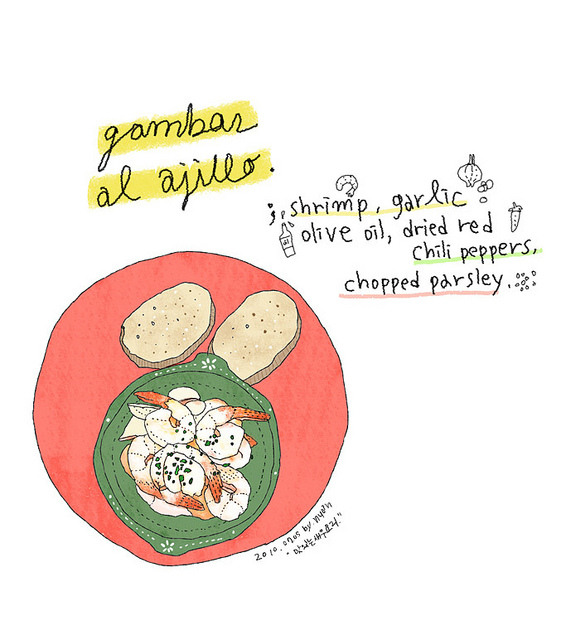
Gambasalajillo

These days many of us who live in cities around the world have seen a plethora of Spanish-inspired restaurants pop up. Tapas bars, manchego cheese plates, and tempranillo have been gracing our neighborhoods and local menus for quite some time now. Here in San Francisco,  several fresh and new additions to our Spanish food options have arrived, such as Nosa Ría. So, I felt inspired to share some ideas that may coerce you to stock up on your own Spanish gastronomical goodies! Here I’ll focus on a few mainstays of Spanish cuisine. In many cases you can easily find these items in a grocery store or order them online.

Queso/Cheese: There are many wonderful Spanish cheeses. Perhaps the most well-known is manchego cheese, which is made from sheep’s milk. Manchego cheese can range from fairly soft with a  mellow flavor to sharper, drier, harder varieties that I feel go great with young, rough red wines. Trader Joe’s now carries quite a few manchego cheeses. Many larger markets such as Whole Foods will have it as well. And be sure to visit that small local cheese shop in your neighborhood if you have one – they are bound to have a great selection. You can purchase it online at latienda.com. It is popular to eat manchego with a bit of membrillo, or quince paste.

Vino/Wine: Ah, Spanish wine. Where to begin??! There are so many wines from Spain that I love. For our purposes here I will focus on two that keep coming back to my dinner table: Tempranillo and Albariño. Tempranillo is traditionally grown in Rioja and Ribera del Duero. It is a medium to full-bodied wine with less tannins than some other varietals.  Right now I like Radio Boca, which is bold and very wallet-friendly. Albariño is a white wine grown in the coastal area of Rias Baixas. It is light and fruity: think pear and citrus. Food and Wine Magazine has a nice article about Albariño. Spanish wines are easy to find in markets. Cost Plus World Market tends to carry quite a few of these varieties, as does BevMo. Want to dive deeper into the abyss? Check out the 2013 “Vinos Finalistas” from La Nariz de Oro’s tasting and this map of the country’s wine regions.

Fideuà: So you love paella. And it seems every Spanish restaurant has a big steaming platter of this saffron deliciousness for you to enjoy. But have you tried fideuà? A cousin of paella, fideuà is very similar in that it uses saffron and either vegetables, seafood, or chicken.  However, fideuà contains pasta instead of rice. Legend has it that this dish originated on board a ship. The Spanish sailors did not have rice and decided to substitute it with pasta. Deliciousness was born. No matter the real story, I absolutely love it and see it as a total comfort food. It is fairly easy to make. Bodega: Adventures in Spanish Food and Wine has a good recipe. If you can, buy the traditional fideos, or noodles.

Aceite de oliva/Olive oil: Spain continues to be the world’s largest producer of olive oil. Not all olive oils are created equal, and once a few different kinds are sampled, differences become apparent. Some are green and robust, others golden, smooth and earthy. Here in SF you can partake in olive oil tastings…yep, it’s a foodie city. Extra virgin olive oil is best (Rachael Ray got everyone to start saying “EVOO.”). The Olive Oil Emporium defines extra virgin olive oil as “(t)he oil that comes from the first ‘pressing’ of the olive solely by mechanical or other physical means, and is extracted without using heat (a cold press) or chemicals. The oil must not be altered in any way. It can only be treated by washing, decanting, centrifuging and filtering. Extra Virgin Olive Oil contains no more than 0.8% acidity (0.8 grams per 100 grams, expressed as oleic acid), and is judged to have a superior taste. The less the Olive Oil is handled, and the closer it is to its natural state, the better the oil. If the Olive Oil meets all the criteria, it can be designated as ‘extra virgin’. It must have no flavor or aroma faults.”

Jamón/Ham: I’m afraid I can’t help out too much with this one. While not a strict vegetarian or vegan, I really don’t eat very much meat as a personal choice. That being said, there is so much to learn about the process behind a good quality piece of jamón. Diet and environment are big factors in choosing between Jamón Serrano and Jamón Ibérico.

I hope this helps to inspire you on the path to Spanish gastronomy. While we can’t all whisk away to Spain at a moment’s notice like Gwenyth Paltrow and chill out in the vineyards with a glass of cava and some olives (besides, she sure spent a lot of time in the car), we can munch away, close our eyes, and come pretty close.

photo credit: nyoin via photopin cc

What’s happening in the Amazon?

Back in 2005, I worked as a volunteer English teacher in Sani Isla, an indigenous Kichwa community in Ecuador’s Amazon region. Located along the banks of the Río Napo, a tributary of the Amazon River, Sani Isla is comprised of a community center for meetings and parties, a small medical clinic that hosts the occasional visiting doctor, a school comprised of about 5 classrooms, and a soccer field with stands. Wooden homes on stilts dot the banks of the river; to visit each other, residents walk along the river bank and through their plots of cassava plants, or they glide by dugout canoe, using long, heavy wooden paddles. Residents of Sani Isla are physically strong, at one with their rainforest environment, and concerned for their community. They also love to play volleyball, which was something we definitely had in common.

Photo copyright Alison Trujillo

As the days strung together in a mix of English lessons, tramping through mud to visit various families, and cooking black beans on my little stove, I gradually became aware of customs, expectations, and worries left unsaid. Located in primary rainforest and sharing land with Yasuni National Park, Sani Isla is one of the few indigenous communities in Ecuador’s Amazon that has been successful in their resistance to oil exploration. The community owns and runs its own eco lodge, Sani Lodge, located at the edge of a deep lake that is visited by macaws in the morning and patrolled by caimans at night. Money earned from the lodge, along with staunch resistance by the community, has helped Sani to stay independent and relatively untainted by oil companies.

Unfortunately this all may change very soon. Petroecuador, Ecuador’s state-run oil company, is hoping to explore the region. President Rafael Correa has traditionally campaigned on indigenous rights and environmental protection, and this would definitely change his reputation in the eyes of those concerned for their environment. For anyone who has traveled along the expanse of the rivers in this general area, it is clear that the oil companies have tried to gain the upper hand. Docks along the riverbanks house large barges with oil company names emblazoned on their sides. Coca, the gritty commercial hub in the area and the only place to go for staples such as rice – or beer – runs on money spent by oil company employees. Miles upon miles of oil pipelines snake through the forest and along roads leading out of the area. There is a palpable choque, or clash, of traditional knowledge and customs with political and economic gain.

My hope is that Sani Isla will continue to fight for their land and their rights to live in peace. The situation can feel overwhelming, and educating yourself and others is the first step. If you want to learn more about what is happening in Ecuador’s Amazon, watch Crude, a documentary film that follows the legal battle between residents of the area and Chevron. Another documentary is coming out this year: Yasuni.  Check out my friend Ryan Killackey’s current work with the Waorani community. In addition, this recent article from The Guardian came out in mid-January. Sign the petition to help Sani Isla in their fight, or even better yet plan a trip to their lodge and see for yourself the great work they do to educate outsiders about the rainforest. You will never forget their birdwatch tower!

Here’s to standing up for what is right and for many more years of Sani Isla – and the communities like it around the world – who deserve to live in the way they themselves choose.

What’s in a word?

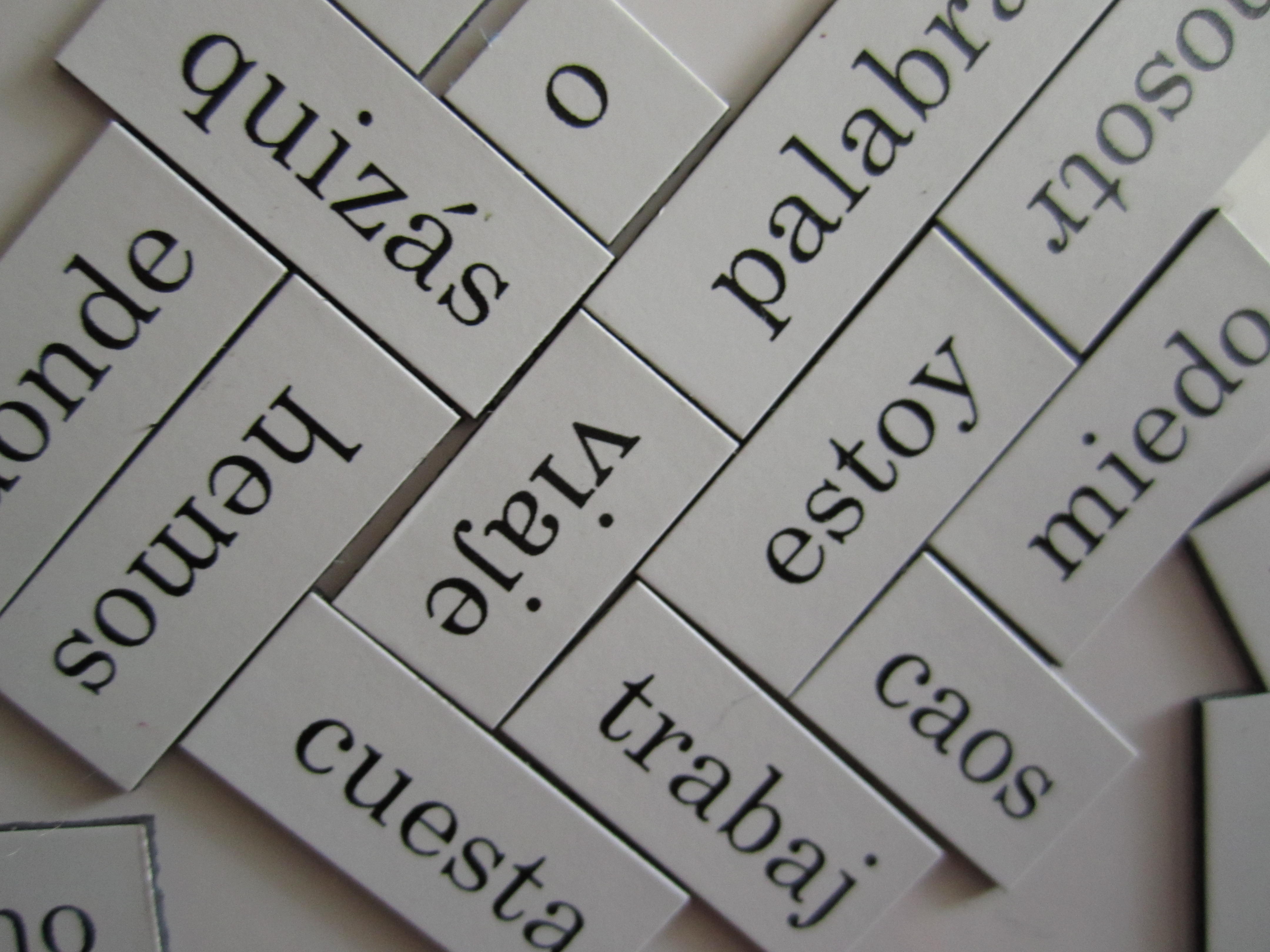
palabras
Image thanks to rqbg.wordpress.com.

What’s in a word? Well, everything. As anyone who has learned a new language will tell you, words have weight.  A perfectly placed word can make or break a joke. A thoughtful word can “hit the nail on the head” and express exactly what someone is feeling. There are the funny horror stories of confidently expressing a word or phrase that means quite the opposite of what one intended, causing all chatter to stop. Some words have double meanings. Still others are used in language textbooks yet practically never spoken in real life.

My work as a Spanish teacher and trip leader for students abroad has been full of  hilarious recountings: “And then I said I was embarazada and the conversation came to a halt!” I’ve laughed along with my students about conversations gone awry, and have sighed with relief when learning that one new word that you wish you’d known five years ago. We all want to express our true selves, no matter what language we are speaking.

Word choice is always present in language learning, and I re-discovered a book this week called Hablando bien se entiende la gente. Published by members of the Academia Norteamericana de la Lengua Española (English: North American Academy of the Spanish Language), it includes common errors made by Spanish speakers in the United States. A major goal of this work is to keep Spanglish at bay. Of course, the bien piece is key here. Obviously the authors want the Spanish language to remain true to its origins, and therefore think that speaking Spanish well means keeping anglicisms out. An example of this is warning readers of falsos amigos, (English: false friends) that do not exactly work as cognates and instead are often misused (e.g. salvar instead of guardar).

To be honest, I continue to be torn when it comes to this topic of “language purity.” Yes, I respect the value of correctly pronounced words and proper syntax. I’m a language teacher, after all. Yet language is fluid, language is rich, and language is a reflection of those who use it. There are certain words I love to use that obviously come from English: carro, surfear, oficina. Would I employ them in a job interview? Probably not, and perhaps that is the author’s point.

And so, Hablando bien se entiende la gente is interesting and funny to me. It does give us good reminders of the proper use of so many vocabulary words. Still, when on a day trip outside the city and passing all those ghastly trailers that Americans seem to love, I will not use the dull word remolque. – I think I’ll stick with trailito instead.

Dulces Navideños

There are so many traditional foods enjoyed at this time of the year. I’m highlighting two of my favorite holiday sweets here, along with resources on how to make or purchase them.

Mexican Wedding Cookies

Mexican Wedding Cookies: These are sometimes known as Russian tea cookies. Their powdery covering is perfect for the holidays. I found a nice recipe for these from Full Belly Blog.

Turrón: El Almendro turrón will always mean Christmas in Spain to me. To purchase, visit The Spanish Table.

Turrón
Turrón


photo credits: Back to the Cutting Board via photopin cc and formalfallacy @ Dublin (Victor) via photopin cc

Thoughtful Gifts

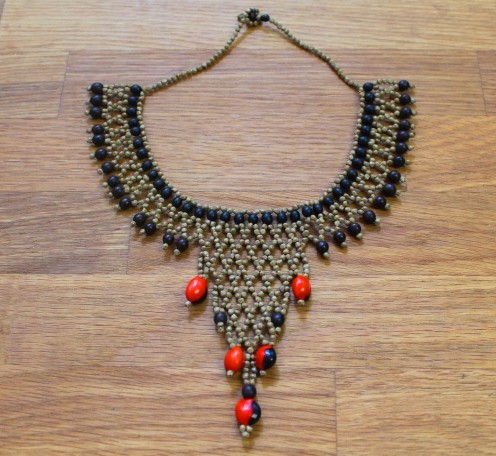
December‘Tis the season for gift-giving, and with the plethora of shopping options available it is easy to become overwhelmed. How to buy thoughtful gifts? And thoughtful to whom? Being an artist, I personally make the effort to support artisans from around the world when I have the chance and want to buy something special for a friend or family member. Here are some resources with items from Latin America I’ve become aware of recently.  They are all driven by a desire to uphold fair trade practices and to properly support the artisans they work with. 

  • Indigenous sells organic and fair trade clothing, jewelry, and accessories. Be sure to watch the video about Jessica Rodriguez, from Peru, who has partnered with Indigenous on her quest to provide artists and craftspeople a living wage for their work. I’ve seen Indigenous items in a few shops around San Francisco and it seems that the website prices are more reasonable.
  • Abrazo Style  has really fun bags made in Oaxaca. They are appropriately named the Etla tote. Want to know where Etla is? Click here. Then go visit!
  • Colores del Pueblo has a most excellent tagline: “Promoting Social Justice and Cultural Preservation Through Economic Fair Trade.” Enough said!
  • Global Exchange is a local favorite where I’m from. Their online store is under construction, so if you live in California, DC, or Virginia you can check out their brick and mortar stores.

Happy shopping. 🙂
photo credit: kevin dooley via photopin cc

Inspired by “Half the Sky”

This weekend I watched “Half the Sky.” This is a documentary that grew from the book of the same name, written by Pulitzer Prize-winning journalists Nicholas Kristof and Sheryl WuDunn. It aired on PBS in October of this year. We travel with Nicholas and Sheryl to meet strong women leaders who are working to eradicate the systematic oppression of women. We visit a number of countries: Cambodia, Kenya, Vietnam, and India are some….and we bear witness to the challenges young girls and women are facing: prostitution, barriers to education, genital mutilation, economic inequality. This is an eye-opening film; I am incredibly inspired by the women leaders who are profiled here, and amazed at the strength of the women they are working with.

Most of “Half the Sky” takes place in Africa and Asia. Seeing the film got me wondering what the main issues would be if this were to cover Latin America, Spain, and the U.S. – countries in the Spanish-speaking world. What would the world need to hear about? Have the things I’ve seen in my travels given me a glimpse into the harsh reality that many women face daily? (A beauty pageant for young women I witnessed in Ecuador comes to mind. It was both a celebratory and an extremely sad occasion for me.)

I’m sharing three resources about topics which I find interesting and would like to learn more about. These are in no way the only issues, or course….and are simply the struggles that came to mind based on my travel and living experiences abroad:

This is only scratching the surface, but I wanted to start somewhere. What pertinent issues in Latin America do you feel need the limelight?