
Last month, I attended a webinar hosted by the Europarc Federation called “Stakeholder engagement in conservation: Creating meaningful engagement for better conservation outcomes.” I was particularly interested in this topic because my translation work for clients in the land conservation field is a key part of stakeholder engagement, as it ensures language access and direct communication. The primary takeaways for me were how to identify and work with people with different “nature values,” how organizations can effectively work with local, national, and transnational interests, and what mediators do to help especially tense situations.
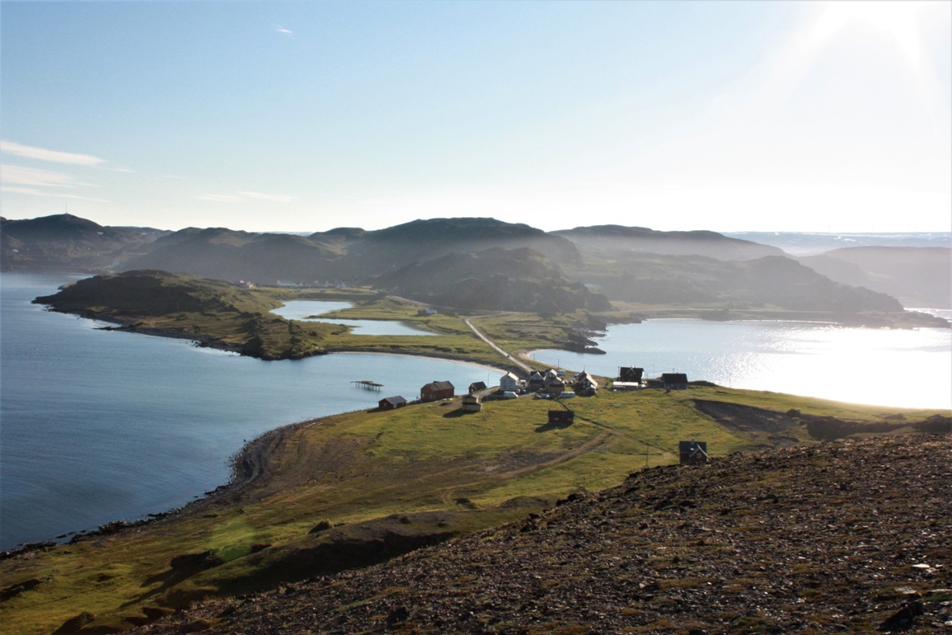
Kristian Bjørnstad, Director of Norway’s Regional Parks system, discussed the concept of “nature values.” He identified three main values: “nature for nature” (the intrinsic value of nature and a desire to protect it), “nature as culture” (seeing nature as part of one’s cultural landscape and history), and “nature for society” (seeing nature as something to benefit people so they can make a living and thrive). Kristian showed how learning and working with the nature values of different groups helped his organization to move forward with a project in Norway’s Varanger Peninsula.
Hildegard Meyer, who works for the WWF, talked about engaging stakeholders from an NGO perspective. She currently works to increase wildlife corridors and core habitats in the Carpathian Mountains. The WWF had to act as a mediator, looking at the influence and power of different stakeholders. For example, local stakeholders may be private landowners. National stakeholders could be a country’s transit authorities and open space networks. Transnational stakeholders may be government bodies and the agreements they have to abide by. She showed how local, national and transnational entities were able to eventually work together as this project gets off the ground.

What happens when tensions are high and you’re getting nowhere? Mediator Eva-Maria Cattoen, who provides conflict management for the environmental sector, shared two case studies from Austria. One was especially contentious: Mountain bikers were using local forest land illegally for recreation, and landowners were fed up. She discussed how her firm helped to mediate the conflict and come up with solutions that satisfied common interests.
Cultural differences naturally come up in some of my translation work because different groups of people have different “nature values.” Communication with a particular group therefore needs to resonate with that group’s values. Communicating with an audience in their own language is also key to developing strong engagement. It can be a tricky balance, but with cultural know-how and the right methods of communication, it’s possible!
You can access the webinar and view the corresponding slides here: https://www.europarc.org/europarc-webinars/previous-webinars/stakeholder-engagement-in-conservation/
Images courtesy of redsavannah.com and lonelyplanet.com.
 Alison Trujillo Translations