
The spirit of the Spanish word “patrimonio” can be difficult to translate into English, but this term is essential to understanding the culture of many Spanish-speaking communities. Let’s dive into its meaning!
“Patrimonio” is a concept woven into the fabric of Spanish and Latin American cultures. A simple translation of “patrimonio” would be “heritage” or “assets.” For example, a cathedral in Mexico City is a part of that country’s “patrimonio cultural“ or “cultural heritage.” However, the concept of “patrimonio” goes beyond this simple definition.
A country’s shared heritage or assets might include the arts, historical architecture, natural spaces, and more. A key concept is that these assets are shared—and cared for—by all. They are not only physical spaces but intellectual and artistic ideas and history. “Patrimonio” characterizes a society’s way of life and sense of identity. In Mexico, for example, this includes the vestiges of pre-Hispanic peoples, colonial society and modern Mexico. “Patrimonio” is found is an indigenous weaving, a towering cathedral, and the writings of Octavio Paz.
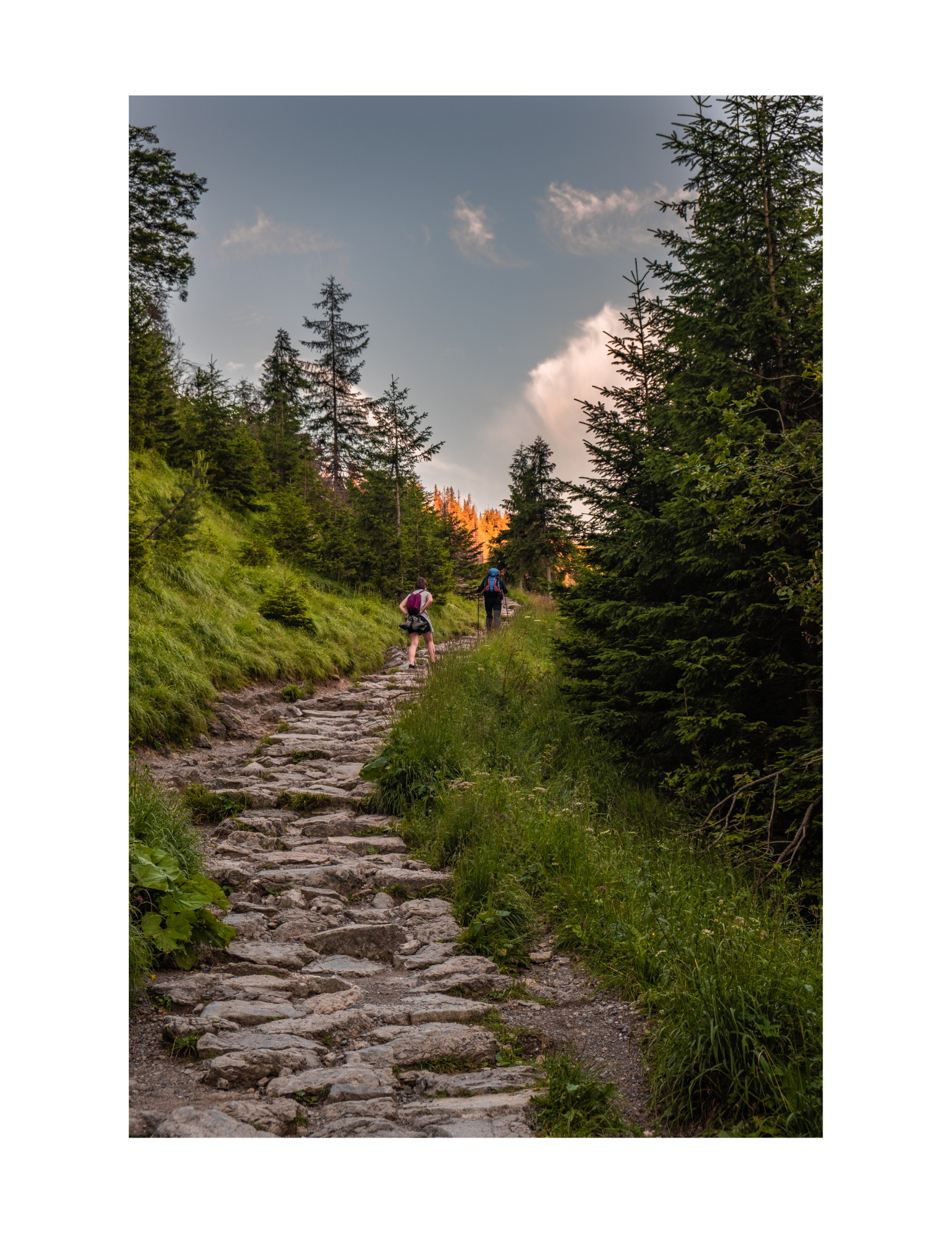
Natural, open spaces are also seen as part of a country’s shared heritage and assets. In Spain, this idea is gaining momentum among organizations that preserve and protect natural, wild spaces. For example, Europarc Spain works to promote Spain’s open space and protected areas. Their campaign “Nuestros Espacios Protegidos” (“Our Protected Spaces”) emphasizes the idea of open spaces as something for everyone to enjoy and everyone’s responsibility.
For a recent news item about cultural heritage, here’s an article about UNESCO including the bolero as part of Mexico’s “intangible cultural heritage!”
 Alison Trujillo Translations